Manufacturing & Finishes
SMT EMI Shielding Can
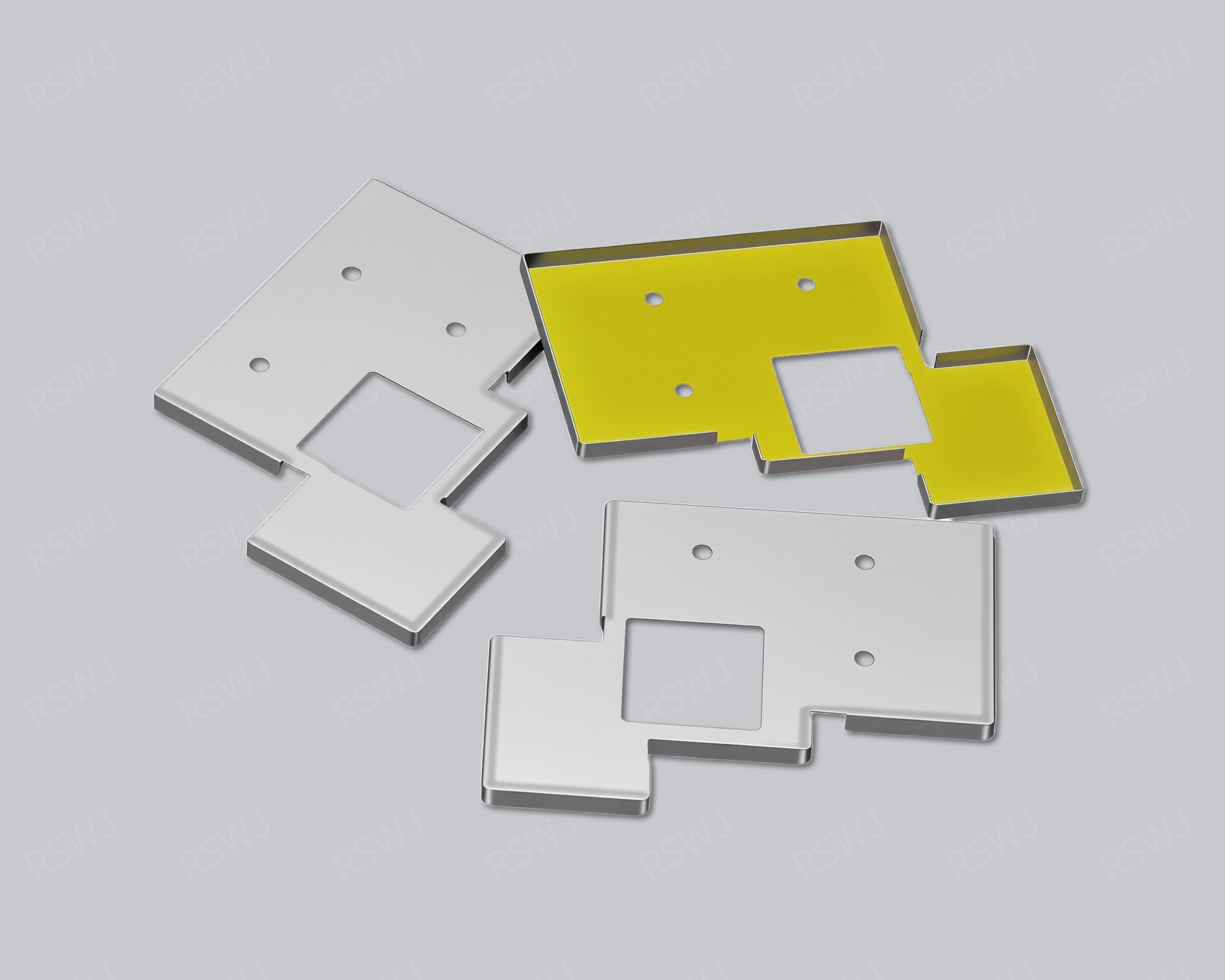
Check pick-up geometry, pad contact and feeder packaging against the intended placement and reflow process.
View product
Manufacturing & Finishes
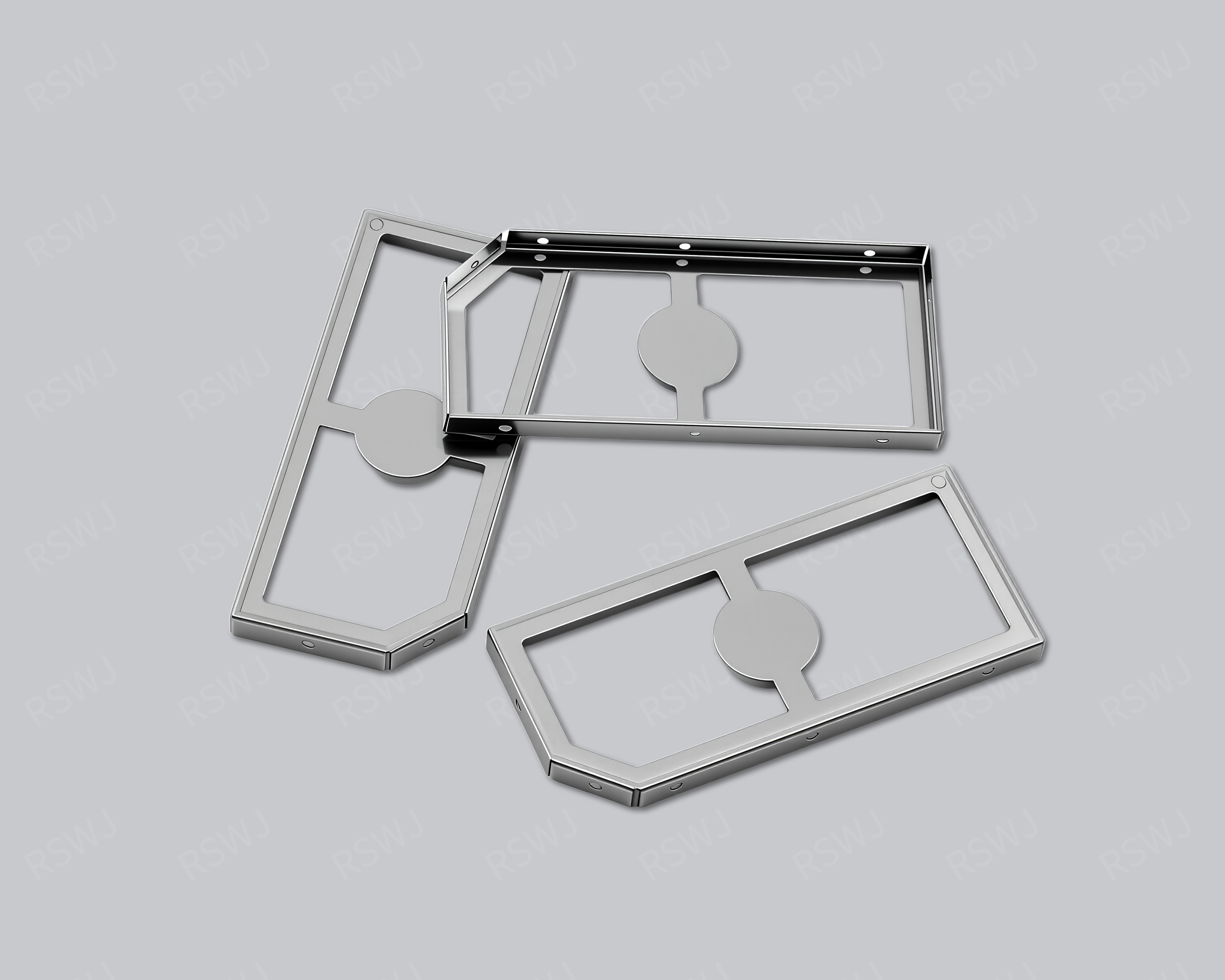
Review body depth, corner geometry and material condition before agreeing on forming and hole-making requirements.
Use the image as a design reference. The agreed drawing and sample define the supplied part.
DESIGN CONSIDERATIONS
DRAWINGS & REQUIREMENTS
Agree on the drawing, manufacturing route and sample scope first. Use the sample to check fit, assembly and the tests required by your project, then confirm the production drawing, inspection plan and packaging.
Samples are paid. Standard samples: 3–5 days. Expedited sampling: 48 hours. Tooling and sample production: 7–10 days. These are sample-stage timings and do not include mass-production delivery; availability and the schedule are confirmed for each project.
TOOLING & SAMPLE VALIDATION
Ruishuo makes tooling in-house, connecting die design and CAD/CAM simulation with stamping and inspection. The tooling route for your part is reviewed against the agreed drawing, material and assembly requirements.
For a deep-drawn shield, the material grade and thickness belong in the same review as the depth, corner geometry and opening shape. The tooling route and any forming adjustments depend on the specified part. Sample approval should connect the finished geometry to the drawing and intended assembly, with attention to the formed walls and edge conditions.
Paid samples include a full dimensional inspection report. Ruishuo's inspection equipment includes 2.5D vision measurement systems, CMMs and profile projectors; measurement methods and any additional functional checks are selected for the project. Incoming, in-process and outgoing inspections support the agreed requirements as the part moves into production.
Check pick-up geometry, pad contact and feeder packaging against the intended placement and reflow process.
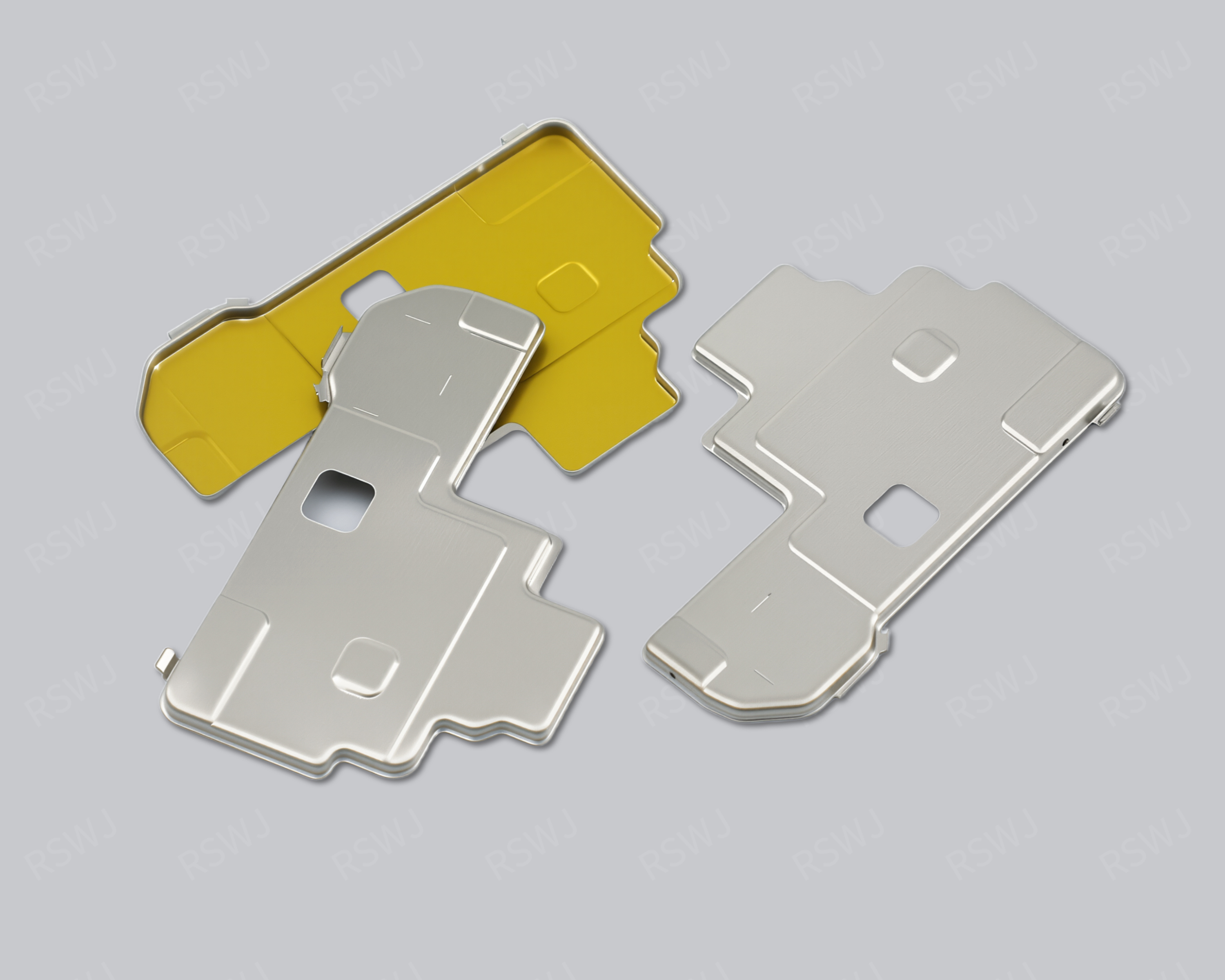
View productReview holes, bends and material thickness together so the stamping approach and critical inspection dimensions follow the drawing.
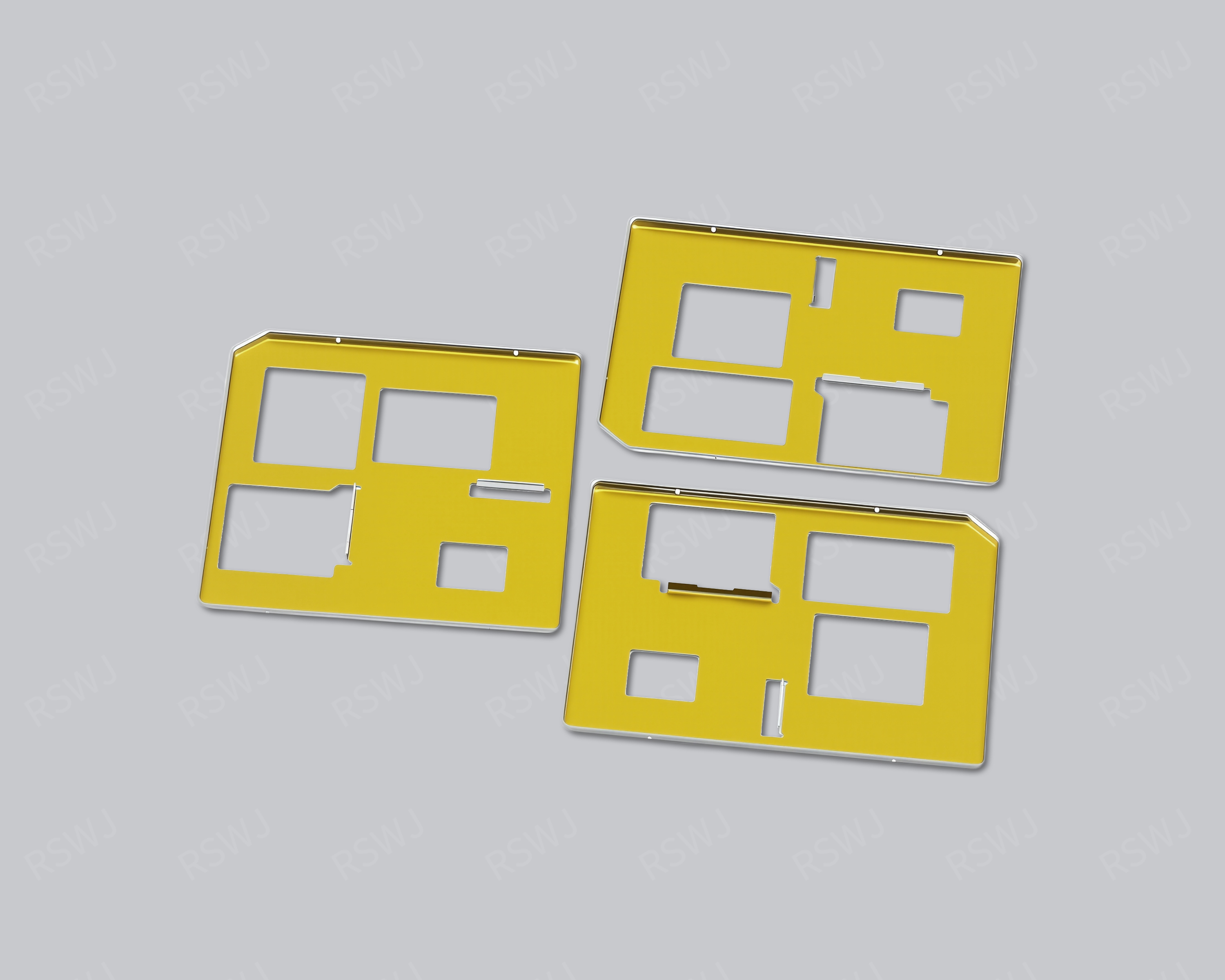
View productDefine the coating scope, preserved contact areas and inspection conditions before specifying the paint or coating process.
View product