1. Define coverage and clearance
Provide the PCB boundary, component heights, enclosure outline and mounting location.

A one-piece design uses a single enclosure; a two-piece design combines a frame with a removable lid. The initial distinction is structure and access. Part count alone does not establish shielding performance.
If debugging, inspection or rework requires internal access, include the removal direction, tool clearance and service frequency in selection. If frequent access is unnecessary after installation, assess a single-enclosure option as well.
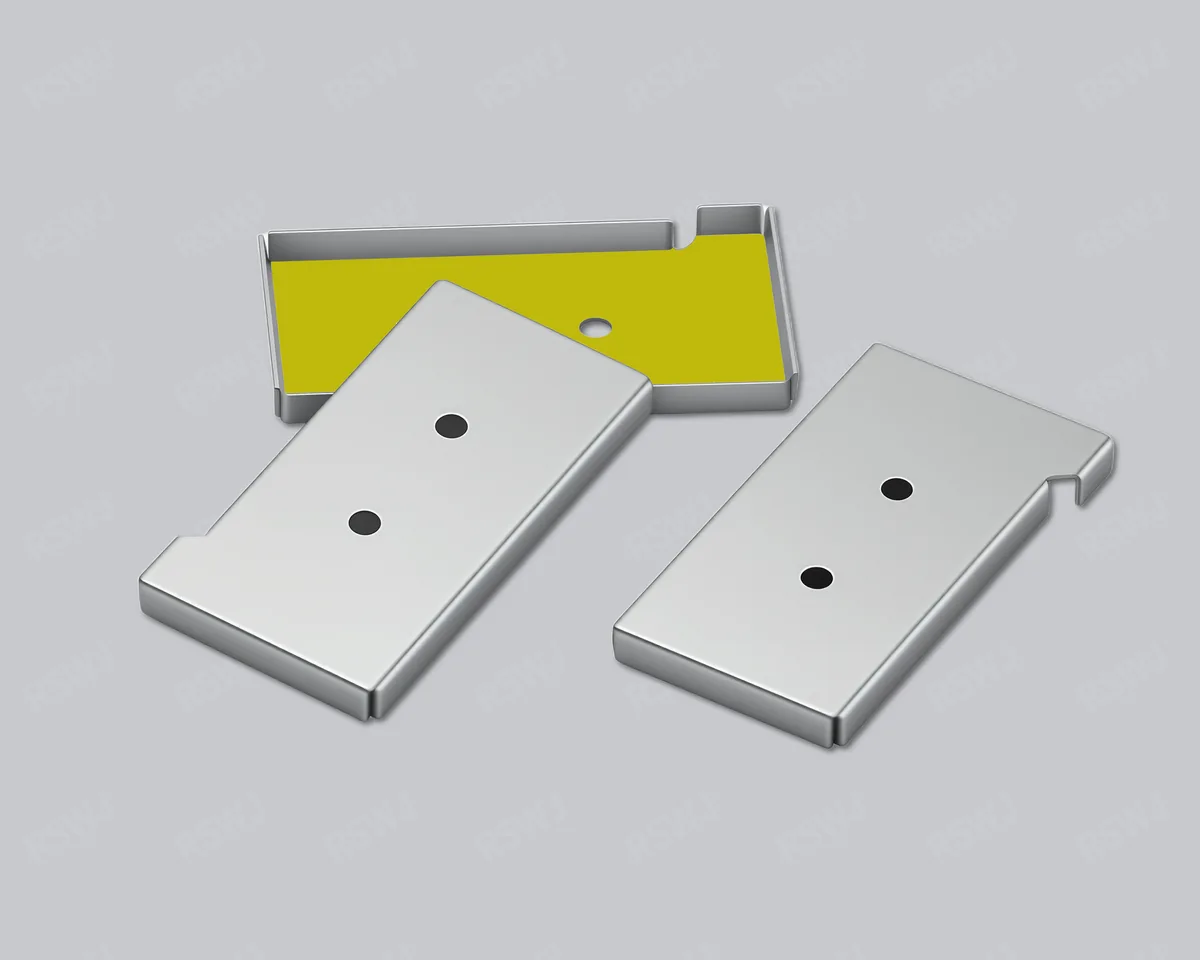
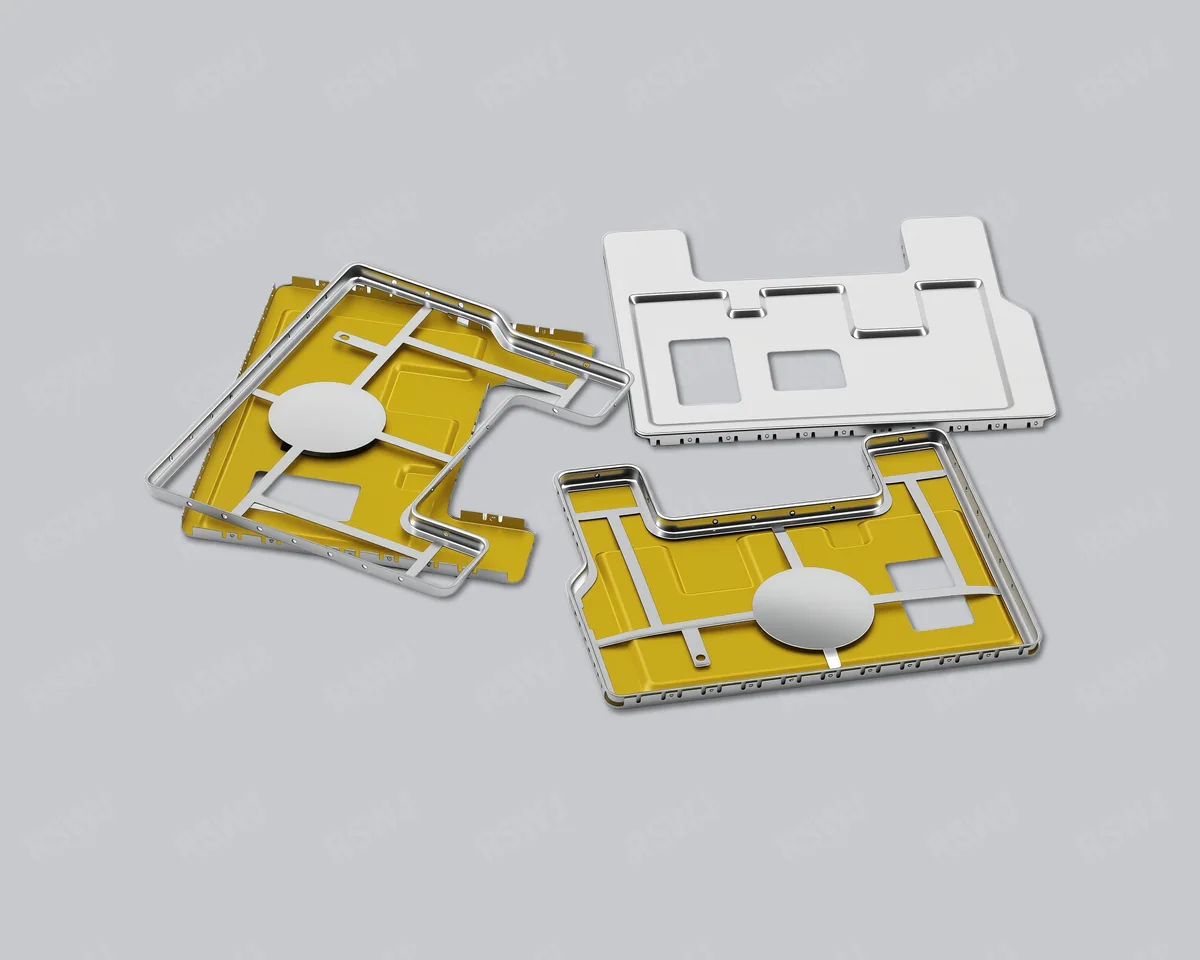
Use this comparison to organize the review. The final choice also depends on drawings, materials, assembly and validation results.
| Question | One-piece | Two-piece |
|---|---|---|
| Coverage | Single enclosure | Matched frame and lid |
| Component access | Assess against the complete enclosure's mounting method | Assess removable-lid access against service requirements |
| Critical fit | Enclosure to PCB or mounting surface | Relationships between frame, lid and PCB |
| Sample validation | Outline, mounting and agreed engineering tasks | Also assess frame-to-lid fit and removal tasks |
| Manufacturing route | Discuss stamping, deep drawing or other suitable options | Assess frame and lid separately, then confirm the complete set |
Multi-cavity describes how the covered area is divided. Snap-fit describes engagement or removal. Material and plating define manufacturing requirements. These choices can be combined with one-piece or two-piece structures.
Split-type, removable-lid and other two-piece labels may describe the same frame-and-lid approach. Compare the actual mating geometry and contact arrangement rather than duplicating a design for every name.
Choose the structure around the assembly conditions, then take the proposal into engineering review.
Provide the PCB boundary, component heights, enclosure outline and mounting location.
Establish whether access is required, how the lid or can is removed and the available tool space.
Define material, thickness, finish, critical dimensions and packaging separately.
Arrange paid samples using the suitable process, then check assembly and the project requirements.